
- Default
- Title
- Date
- Random


-

SAMCODES
-

SAMCODES Launch (JSE, May 2016)
-
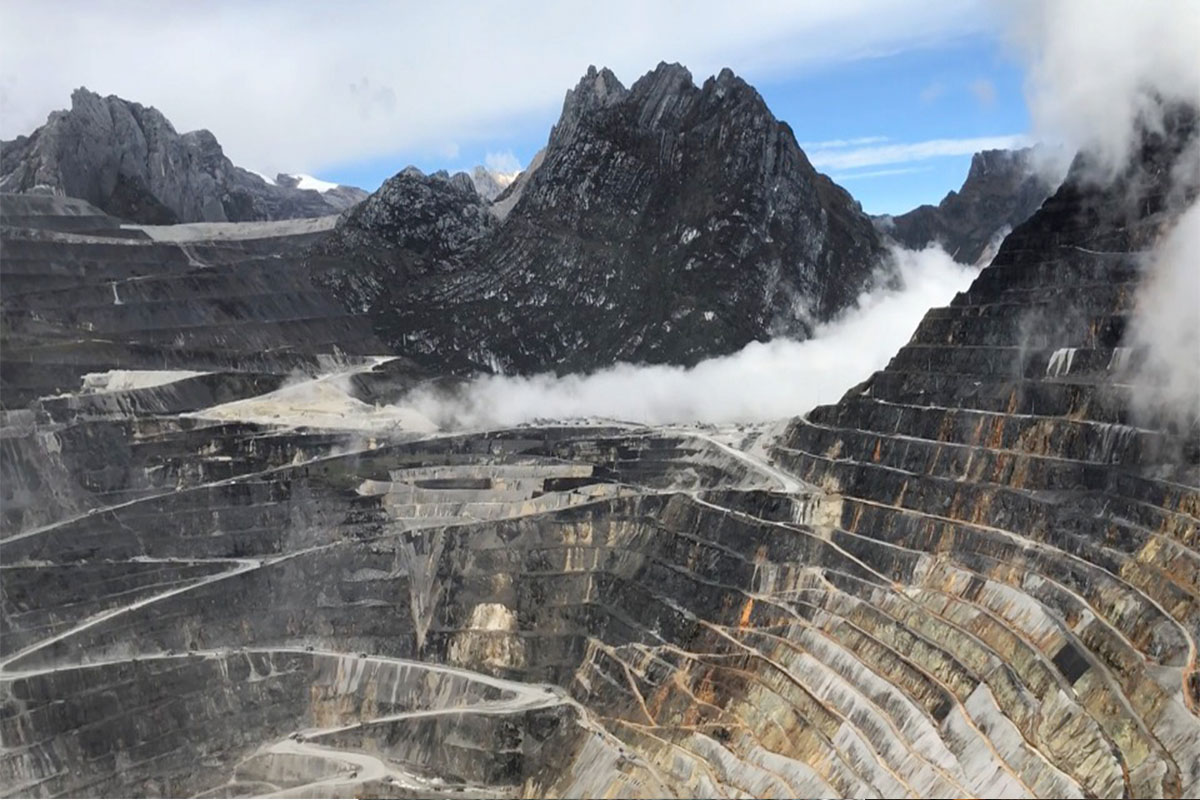
Open Pit Mine Design - Technical Excellence (Courtesy of SRK Consulting)
-
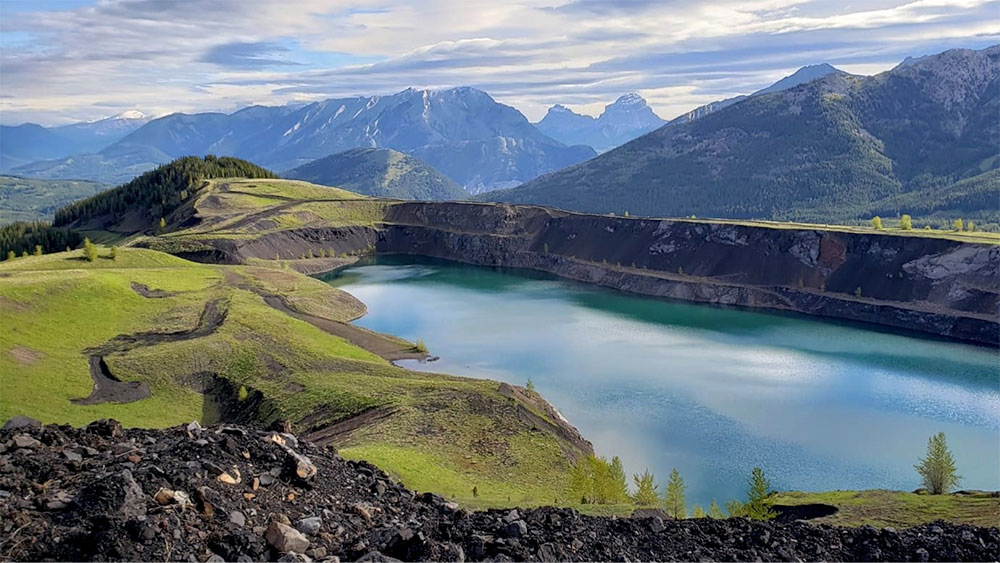
Environmental Risk Management (Courtesy of SRK Consulting)
-

Open Pit Production Operations (Courtesy of SRK Consulting)
-
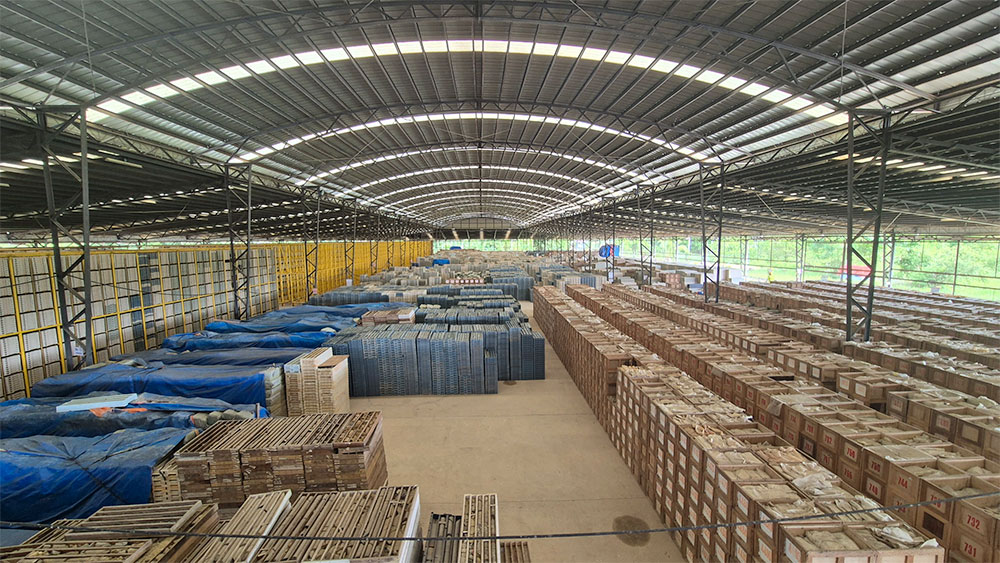
Core-and-Sample-Yard-(Courtesy-of-SRK-Consulting)
-
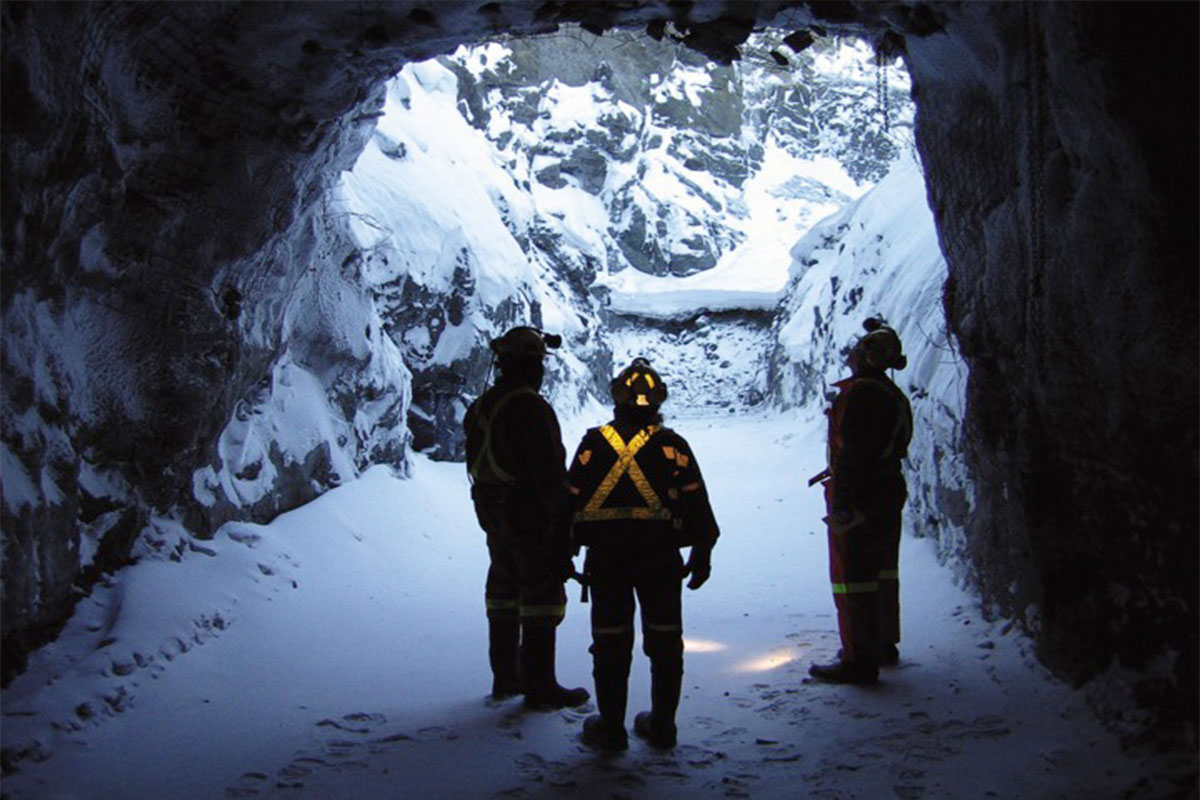
Inspection for Informed Engineering Decisions (Courtesy of SRK Consulting)
-
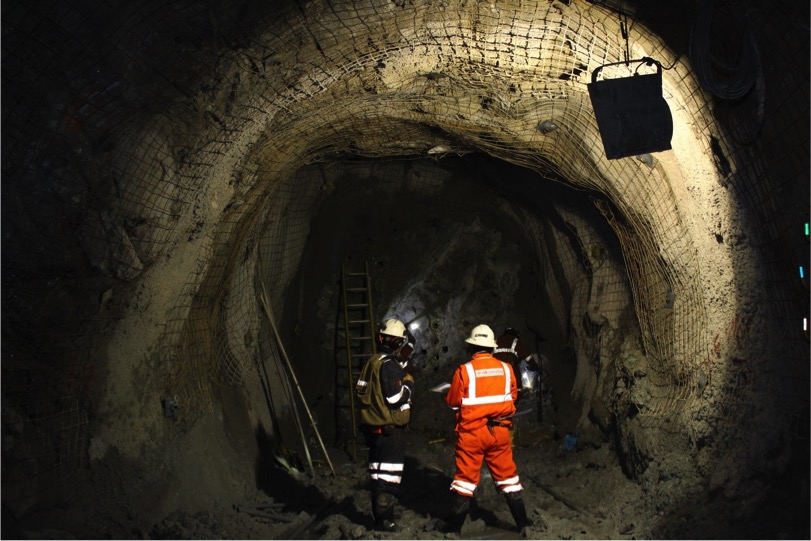
Ground Support for Effective Mining Operations (Courtesy of SRK Consulting)
-

Fortification on two fronts-Courtesy of SRK Consulting
-

Loading up-Courtesy of SRK Consulting
- 1
- 2
- 3
- 4
- 5
- 6
- 7
- 8
- 9
- 10
-
…

From the Desk of the Chairperson
-
Honouring Rob Ingram
… Read MoreThe SAMCODES community extend their sincere appreciation to Rob Ingram for his outstanding contribution to the minerals industry and his many years of dedicated service as Chair of the JSE Readers Panel.Over an impressive 26-year association with the JSE Readers Panel, Rob played a pivotal role in upholding the standards of public reporting and professional practice within the mining sector. Through his leadership, technical insight, and unwavering commitment to excellence, he earned the respect of colleagues, industry practitioners, and stakeholders alike.In addition to his responsibilities as Chair of the Readers Panel, Rob served on the SAMCODES Standards Committee (SSC), where his thoughtful contributions, attention to detail, and collaborative approach helped shape important discussions and initiatives within -
Appreciation to Ken Lomberg, Past Chairperson of the SAMREC Committee and CRIRSCO
… Read MoreThe SAMCODES Standards Committee (SSC) and the South African Mineral Resource Committee (SAMREC), extends its sincere appreciation to Ken Lomberg for his exceptional service, leadership, and unwavering commitment over many years.Throughout his distinguished involvement with SAMREC, the SSC, and the Committee for Mineral Reserves International Reporting Standards (CRIRSCO), Ken has played a pivotal role in strengthening mineral resource reporting standards, both within South Africa and on the international stage. As a former Chair of SAMREC and Past Chair of CRIRSCO, he has been instrumental in advancing transparency, professionalism, and best practice in public reporting.Ken’s contributions have extended far beyond committee meetings and governance structures. He has generously shared his knowledge, experience, and insight with fellow professionals, -
Retirement of Ms Annalie de Bruyn and Acknowledgment of Outstanding Contribution
07 July 2026
Dear Colleagues
Retirement of Ms Annalie de Bruyn and Acknowledgment of Outstanding Contribution
Ms Annalie de Bruyn has reached a significant milestone in her distinguished career and announced her retirement from the JSE Limited (JSE), effective July 2026.
For the past 22 years, Annalie has served as a JSE representative on the SAMCODES Standards Committee (SSC). During this time, she has made an exceptional contribution to the development and advancement of the SAMCODES, as well as to the evolution and alignment of the JSE Listing Rules. Her expertise, dedication and leadership have played an important role in shaping industry standards over more than two decades.
The SSC would like to express its sincere appreciation and gratitude for
… Read More
- 1
Latest News
-
Acknowledging Our Co-Patrons and Sponsors: Strengthening the SAMCODES Standards
We extend our sincere appreciation to the Southern African Institute of Mining and Metallurgy and the Geological Society of South Africa for their valued support as co-patrons of the SAMCODES Standards Committee.
Your continued support and commitment play a vital role in upholding the integrity, credibility, and advancement of reporting standards within the minerals industry.
We also wish to thank our current sponsors for their generous funding contributions, which enable the Committee to continue its important work of maintaining the SAMCODES for the benefit of the industry. The sponsorship also enables the SAMCODES to be updated to ensure they remain relevant in a dynamic and evolving world.
Your partnership strengthens our collective impact and ensures that we continue to drive excellence and best practice across the industry.





Read More -
JSE announcement
The Johannesburg Stock Exchange (JSE) has announced that the Financial Sector Conduct Authority has published its approval of amendments to the JSE Listings Requirements dealing with the Simplification Project. Link below:
Read FSCA Approval Announcement
The simplified Listings Requirements will replace the previous version in its entirety and will come into force for new applicants seeking a listing on 13 January 2026 and existing issuers on 16 February 2026.
The new Section 14 Listing Requirements for Minerals and Oil/Gas have also been uploaded to our website here:
and also available here on the JSE website:
-
The SAMVAL International Mineral Valuation Conference.
The Internation Valuation was hosted by the SAIMM and the SAMVAL Committee in collaboration with IMVAL, AusIMM, CIMVAL and VALMIN from 1 October to 3 October 2025 at the Maslow Hotel in Sandton, Johannesburg. The conference includes a masterclass on Day 1 and the Conference on day 2 and 3. The Conference highlighted mineral asset valuation methodologies and best practices in the context of an uncertain and rapidly changing landscape. Over 80 delegates participated in this event.
-
-
The SAMREC/SAMVAL Compliance and JSE Reporting Workshop
The SAMREC/SAMVAL Compliance and JSE Reporting Workshop, held at the Johannesburg Country Club on 29–30 September 2025, where the GSSA welcomed 80 delegates from across the mining and exploration sectors. The two-day event provided essential training for Competent Persons, covering the SAMREC and SAMVAL Codes, reporting standards, valuation approaches, and regulatory updates. Highlights included a celebration of 25 years of the SAMREC Code and engaging panel discussions on professionalism and the relevance of the codes.
-
-
Department of Mineral and Petroleum Resources (DMPR) SAMCODES workshop – Thursday 31st July
 The SSC was invited to participate in Day 2 of the annual DMPR workshop, where Tania Marshall, Joseph Mainama, and Sifiso Siwela delivered a comprehensive presentation to an audience of 20 regional managers from across South Africa. The session was chaired by Khangwelo Mphaphuli, who also serves as the DMPR representative on the SSC. Key topics covered included:
- Recent developments in the SAMCODES framework
- Updates to the Industrial Minerals Guidelines
- Best practices in bulk sampling and reporting of Diamond Resources
- An overview of the state of diamonds in South Africa
The session fostered valuable engagement, with participants providing constructive feedback and recommendations to support the ongoing evolution of the DMPR’s strategic direction.
-
GeoCongress 2025 SAMCODES workshop - Tuesday 24 June 2025
 As part of GeoCongress 2025, the SSC hosted an Introduction to SAMCODES workshop aimed at equipping participants with a foundational understanding of international mineral reporting codes and their relevance within the South African context.
Presented by Nicole Wansbury, Tania Marshall, and Sifiso Siwela, the session covered:- The history and significance of the SAMCODES
- Principles of public reporting for Exploration Results, Mineral Resources, and Mineral Reserves
- Fundamentals of mineral asset valuation
- The role of the Competent Person
- The GSSA’s function as a Recognised Professional Organisation (RPO)
The workshop attracted 20 participants from both industry and academia, fostering meaningful dialogue and knowledge exchange.
-
Workshop on Introduction to the SAMREC and SAMVAL Code

The in-person workshop on Introduction to the SAMREC and SAMVAL Code came to life at the Visitor’s Centre Auditorium, Impala Platinum in Rustenburg, on Thursday, 27 March 2025. Led by Prof Steven Rupprecht, the session drew a full house with 90 enthusiastic delegates eager to deepen their understanding of the Codes.
-
Evolution of the SAMREC Code Logo in its 25th Anniversary Year

As we celebrate the 25th Anniversary of the SAMREC Code, we have introduced a refreshed logo that symbolises our ongoing commitment to mineral reporting and the evolving role of minerals in a sustainable future.- The Continent: This element represents the wealth of minerals found in our land. Many of these minerals are essential for modern technologies, particularly those that enable the transition to renewable and green energy.
- The Orbit: This continuous loop signifies the SAMCODES Committees' ongoing influence, engagement, and collaboration within the mining industry. It reflects our dedication to maintaining global best practices in mineral reporting and ensuring that our standards remain relevant in a changing world.
This new design not only commemorates 25 years of the SAMREC Code’s impact but also highlights its role, as well as the role of the SAMVAL and SAMOG Codes, in shaping the future of the mining and minerals industry.


- 1
-
SAMCODES App
 SAMCODES have an App that allows one to access and search the SAMREC, SAMVAL and SAMOG codes, the JSE Section 12 Listing Rules as well as SAMESG and the Diamond/Precious Stones Reporting Guidelines. It is now possible to have the SAMREC, SAMVAL and SAMOG Codes in your pocket so that it can be available at any time and you don’t have to search through a PDF to find the detail you need. Download it from your preferred App Store Now.
PLEASE HAVE A GO AT THE NEW SAMREC COMPETENCE QUIZ ON THE APP
Read More
- 1
Reporting Standards
Public Reporting of Exploration Results, Mineral Resources and Mineral Reserves and SAMCODES STANDARDS COMMITTEE (SSC)
Friday, 29 January 2016 10:14
Attracting finance for exploration and mining ventures is a critical part of the resource business environment today, and there are a number of finance options available, including accessing private equity. With the increase in the number of non-listed (private) companies and individuals seeking to obtain financial assistance, it is important to appreciate that issues of public reporting are not confined to listed companies only. Under all circumstances, if Exploration Results, Mineral Resources and/or Mineral Reserves are reported publically (as defined in the SAMREC Code of 2016), and if said report is claimed to have been compiled in accordance with any of the SAMREC, SAMVAL or SAMOG Codes, then the report and the author are subject to the minimum standards and requirements of the relevant Code as well as the complaints procedure of the SAMCODES Standards Committee (SSC).
What is a Public Report
SAMREC Code Clause 3:
Definition
Public Reports are reports prepared for the purpose of informing investors or potential investors and their advisers on Exploration Results, Mineral Resources or Mineral Reserves. They include, but are not limited to, annual and quarterly company reports, press releases, information memoranda, technical papers, website postings and public presentations.
These Public Reports may be in printed or electronic media (including social media) and will include JSE circulars, reports as required by the Companies Act and reports for other regulatory authorities or as required by law.
Public Reporting refers to any documentation which may find its way into the public domain. It refers not only to reporting or documentation by companies listed on a Securities Exchange, but also includes documents compiled by/for private companies or individuals.
While every effort has been made within the Code to cover most situations likely to be encountered in Public Reporting, there may be occasions when doubt exists as to the appropriate form of disclosure. On such occasions, users of the Code and those compiling reports to comply with the Code should be guided by its intent, which is to provide a minimum standard for Public Reporting and the guidelines of materiality, transparency and competence, and to ensure that such reporting contains all information which stakeholders, interested parties, investors and their professional advisers would reasonably require, and reasonably expect to find in the report, for the purpose of making of a reasoned and balanced judgment regarding the Exploration Results, Mineral Resources or Mineral Reserves being reported.